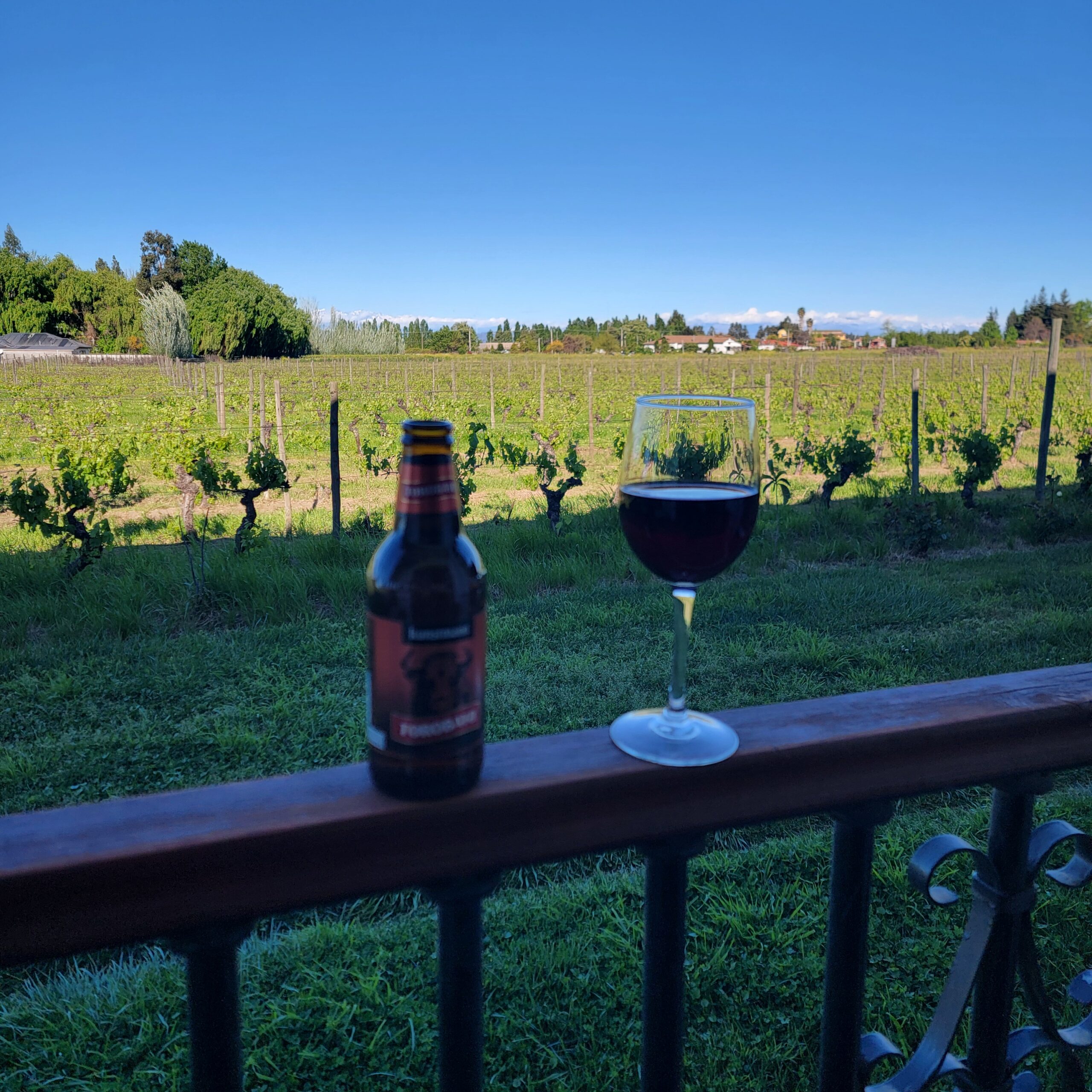
We left the Atacama desert, flew back to Santiago, picked up a rental car and headed south into wine country. Chile has the perfect climate for growing grapes that make delicious wines, but I’ve had bad experiences with cheap Chilean wines that use too many sulfites, which I am very allergic to. I was on a mission to explore and understand which wines I could enjoy.
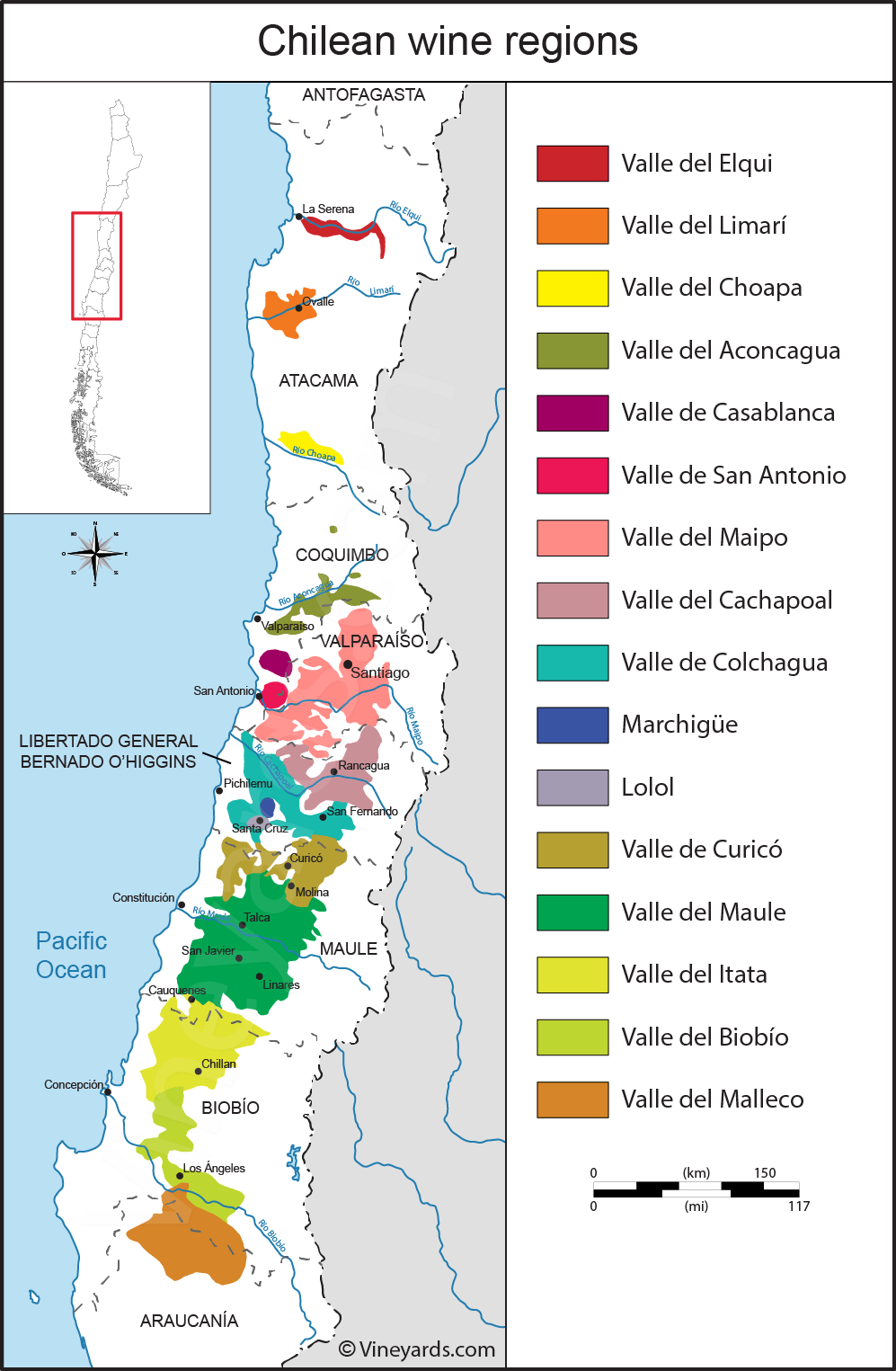
There were many wine growing regions within the country to choose from, and I struggled to get this planning done. I finally found a little hotel near a vineyard in the Colchagua Valley south of Santiago and booked us in for a few days. I knew a few things already, one being that the big reds I enjoy grow best in these inland valleys. They have hot days and cool nights, which make delicious reds. We were meeting Kelly & Beau later in the week up in the Casablanca valley where the whites and Pinot Noir grapes do best, so we stayed south and explored there.
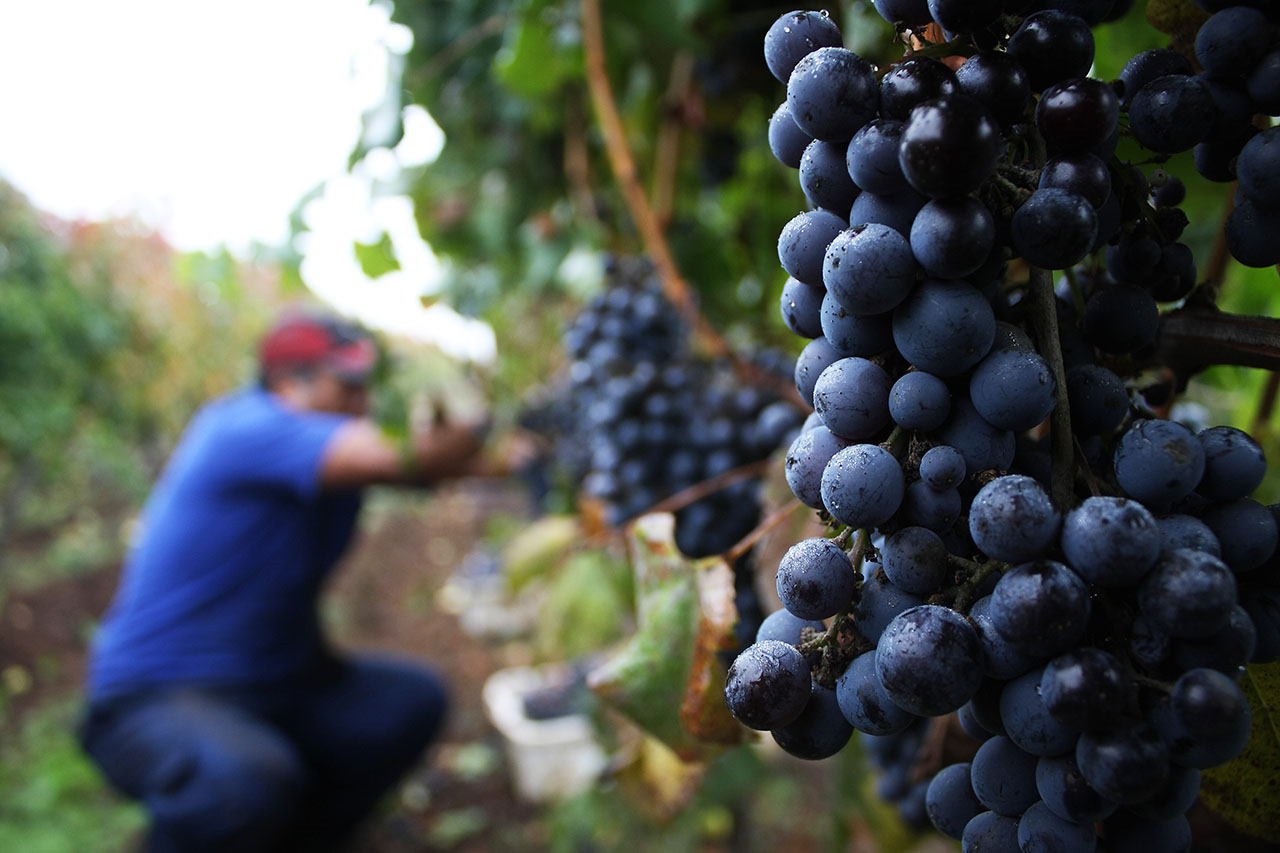
Not my pic, but a lovely shot of the Carménère grape. What I learned before coming here is that this varietal was long considered extinct, until someone in 1991 finally discovered it was thriving in Chile. There had been a phylloxera (small aphids) epedemic in France in the 1870’s that devastated the wine industry and wiped out the Carménère completely. In the 1980’s when Chilean wines were becoming more popular, people believed this was a merlot or cabernet grape, but eventually discovered that the Carménère was not extinct at all. It is now Chile’s signature wine, and I’ll say it is delicious. Somewhere between a Merlot and Cabernet Savignon, not too spicy, not too bold, not too bland, just right!
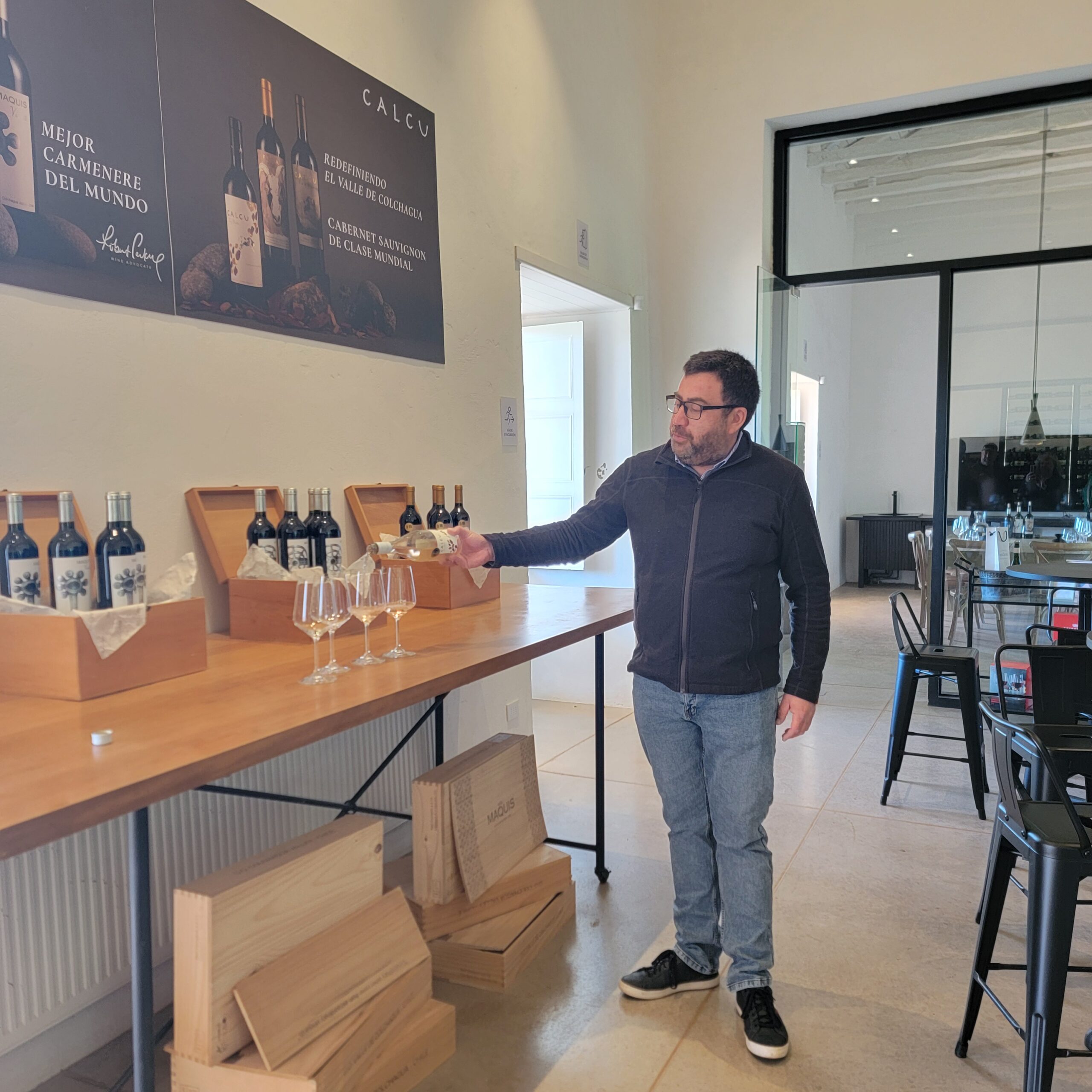
We booked a winery tour and tasting at the recommendation of our hotel and went to the Maquis and Calcou winery south of Santa Cruz. It was 10:30 in the morning on a beautiful day and we were joined by an absolutely lovely Welsh couple staying in our same hotel.
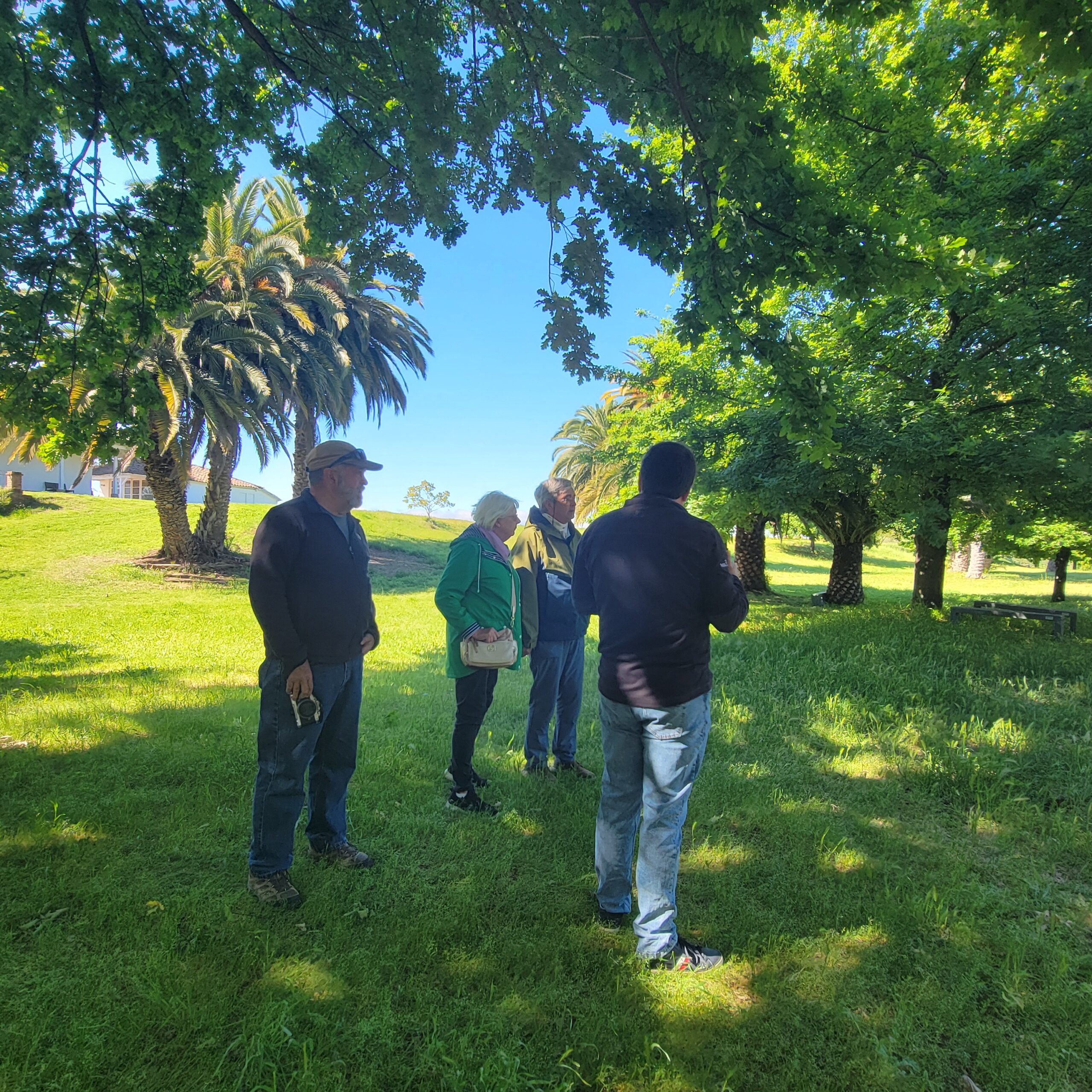
We toured the property and learned the importance of the region being between two rivers which joined just 2.5 kilometers north. This is very fertile ground and is planted with several different big red varietals.
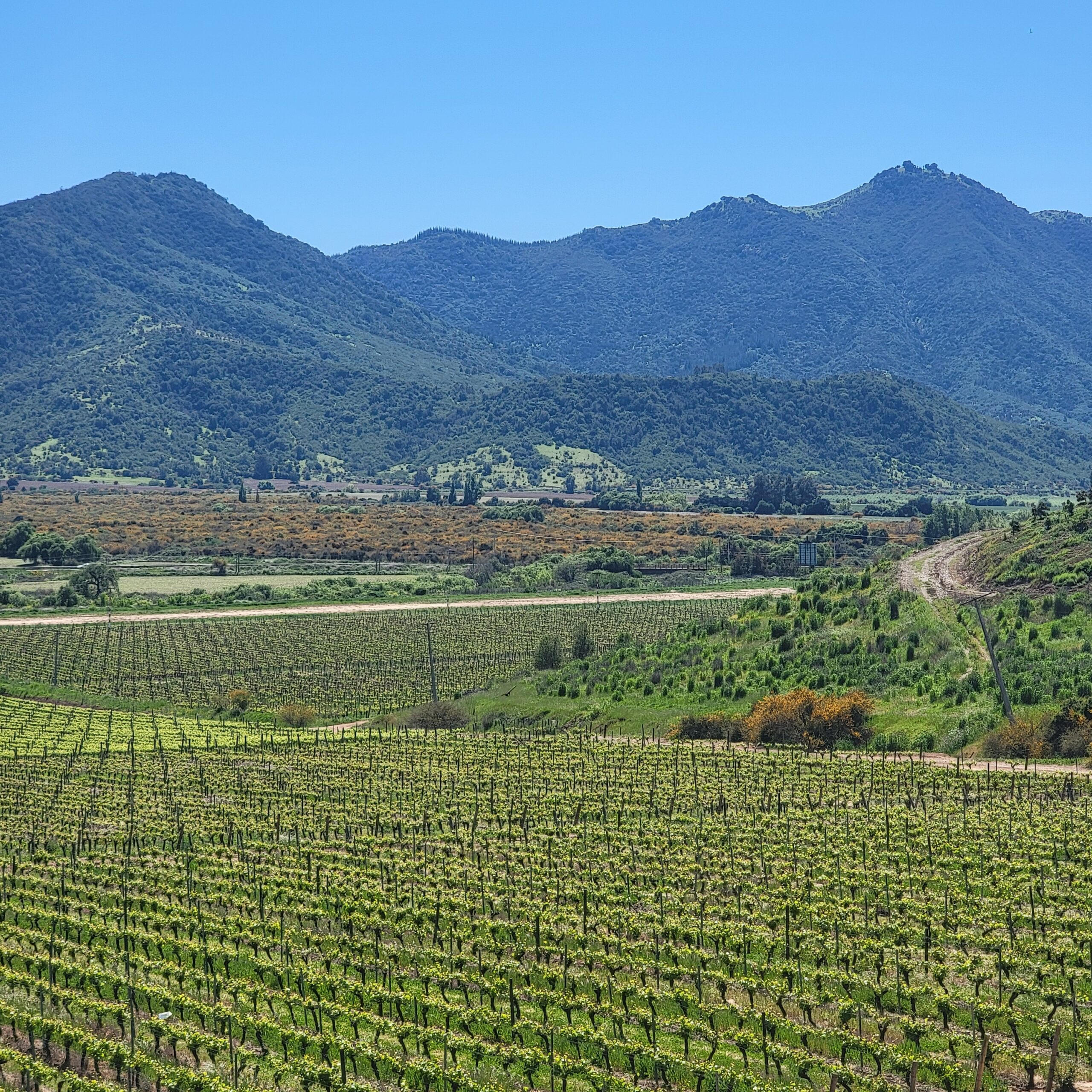
The next day we drove out to a popular spot in the Colchagua Valley with a winery and fantastic car museum at Vina Santa Cruz.
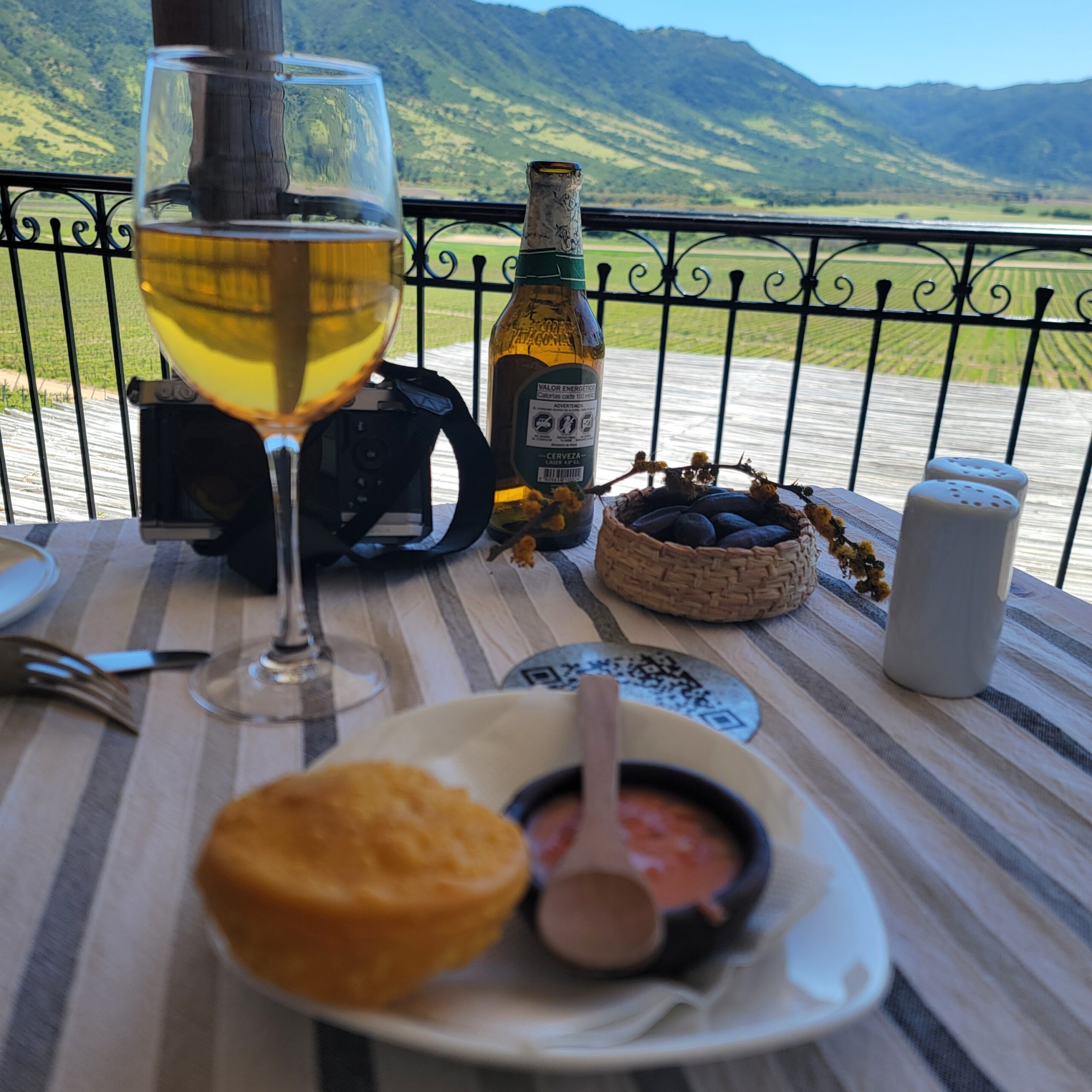
We enjoyed a delicious lunch on the patio of the winery estate. Included in all Chilean lunches is a starter with some kind of bread and the Chilean dish called Pebre. It’s definitely on my list of things to learn to make. It’s a tomato based spread that’s light but flavorful and delicious as a bread topping or seasoning in stews and meat dishes.
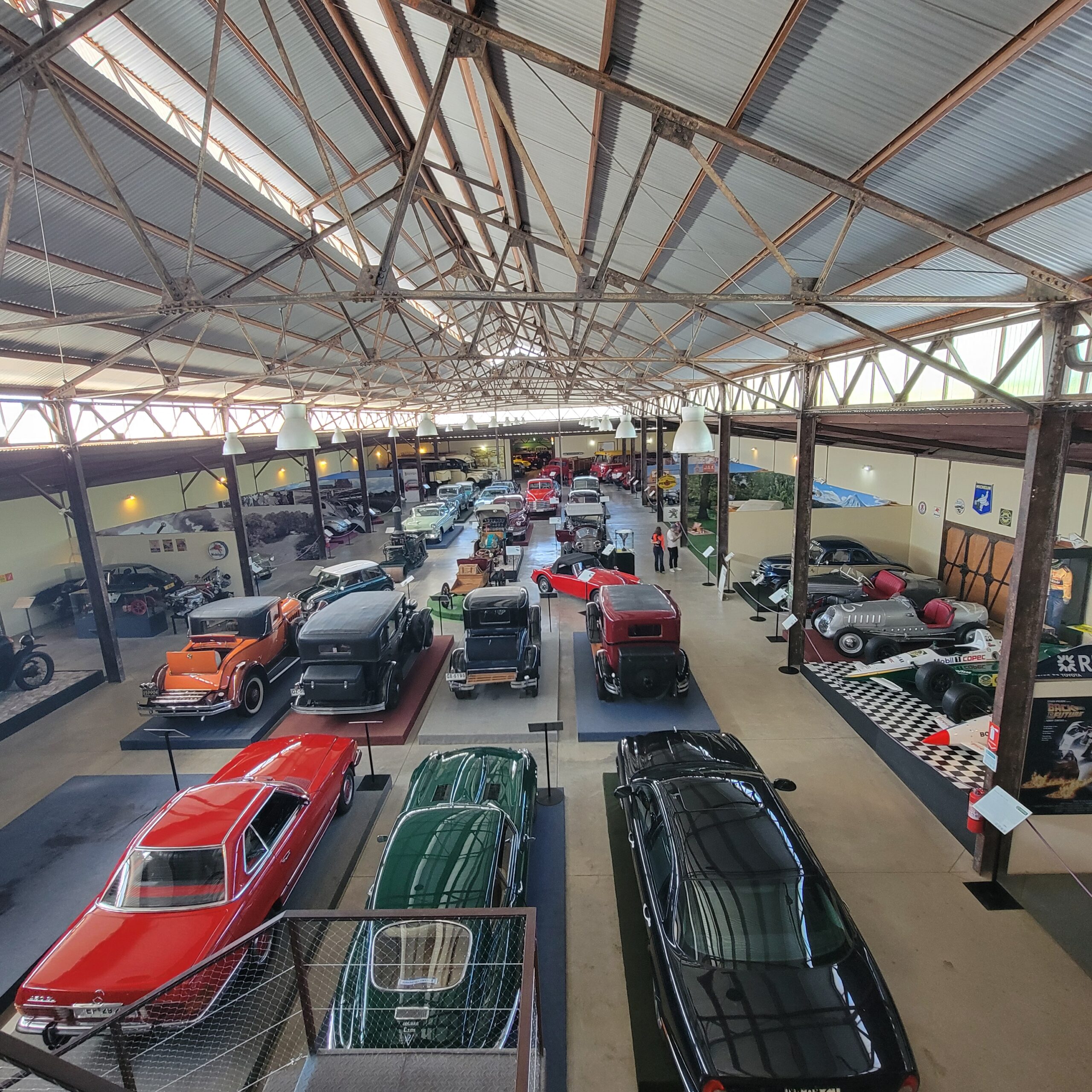
At Vina Santa Cruz was undoubtedly the best car collection in all of South America. The owners have tracked and bought every type of historical auto in the country and have an extensive collection, all in immaculate condition. It was fun to see so much beautifully restored history.
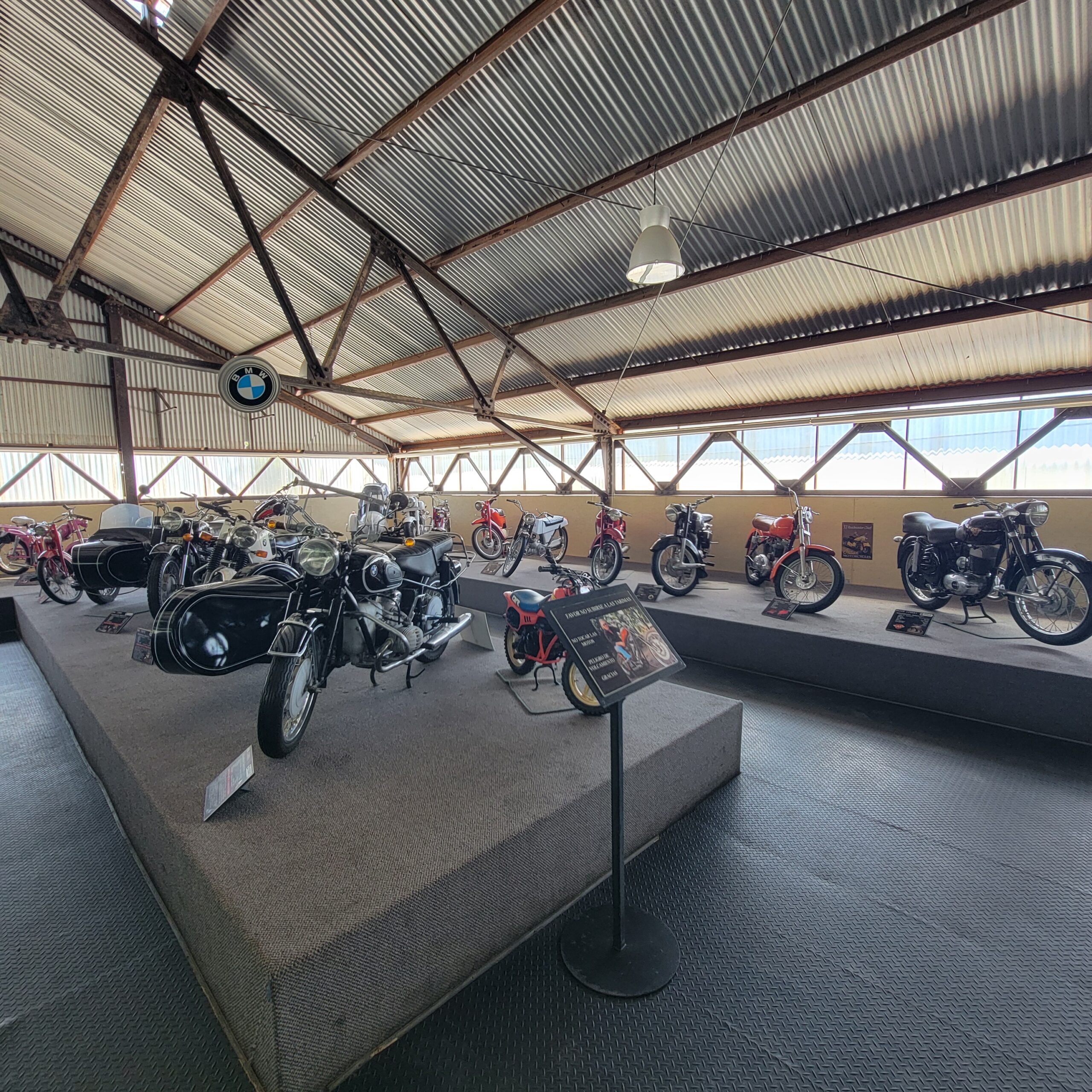
The museum also included an equally impressive collection of motorbikes.
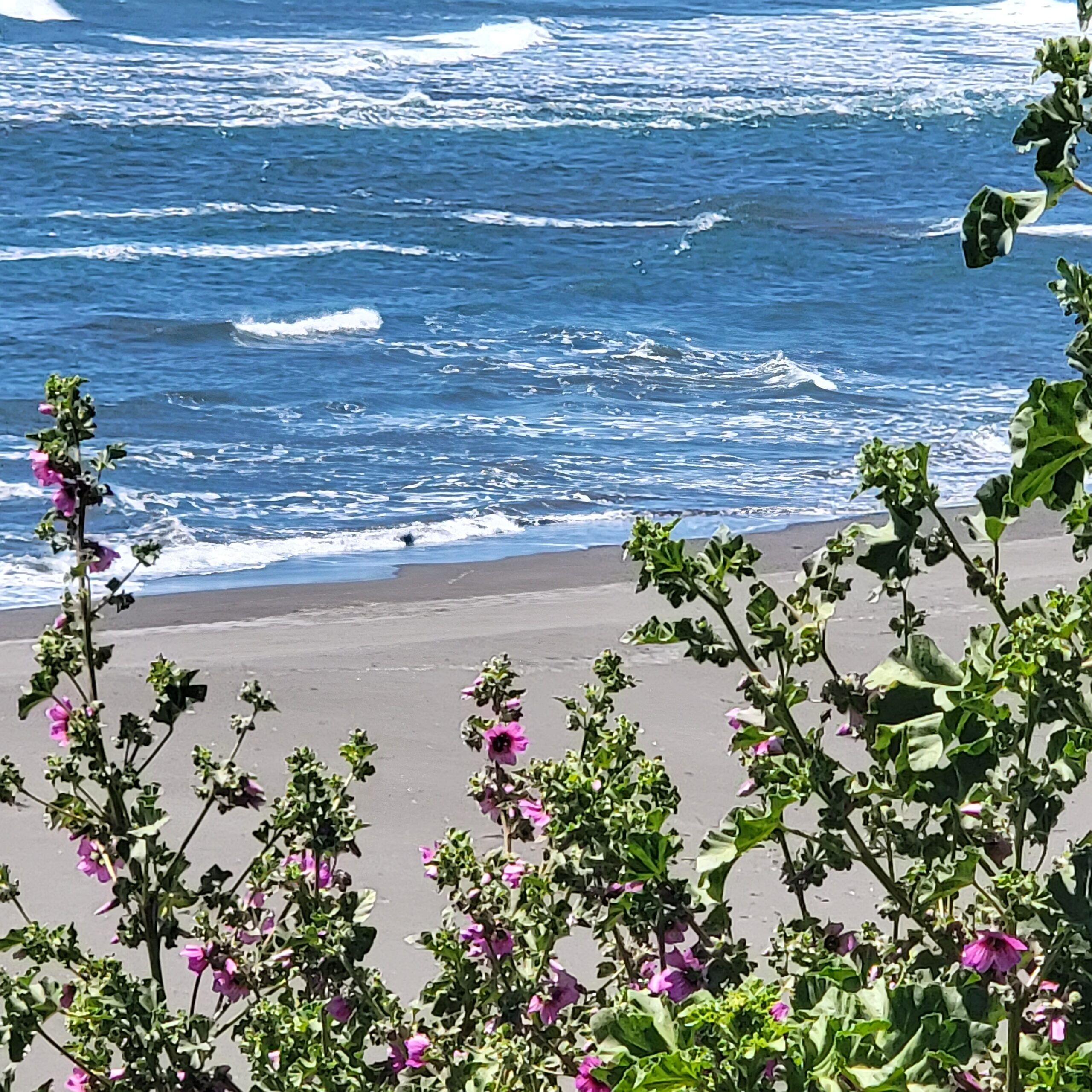
The next day we decided a drive to the coast was on the agenda, so we drove from Santa Cruz out to Pichilemu on the Pacific coast. It was a nice trip through beautiful country covered with spring blossoms. Interestingly we crossed the coastal mountains which happened to be strikingly similar timber country, just like ours at home with logging trucks and sawmills everywhere.
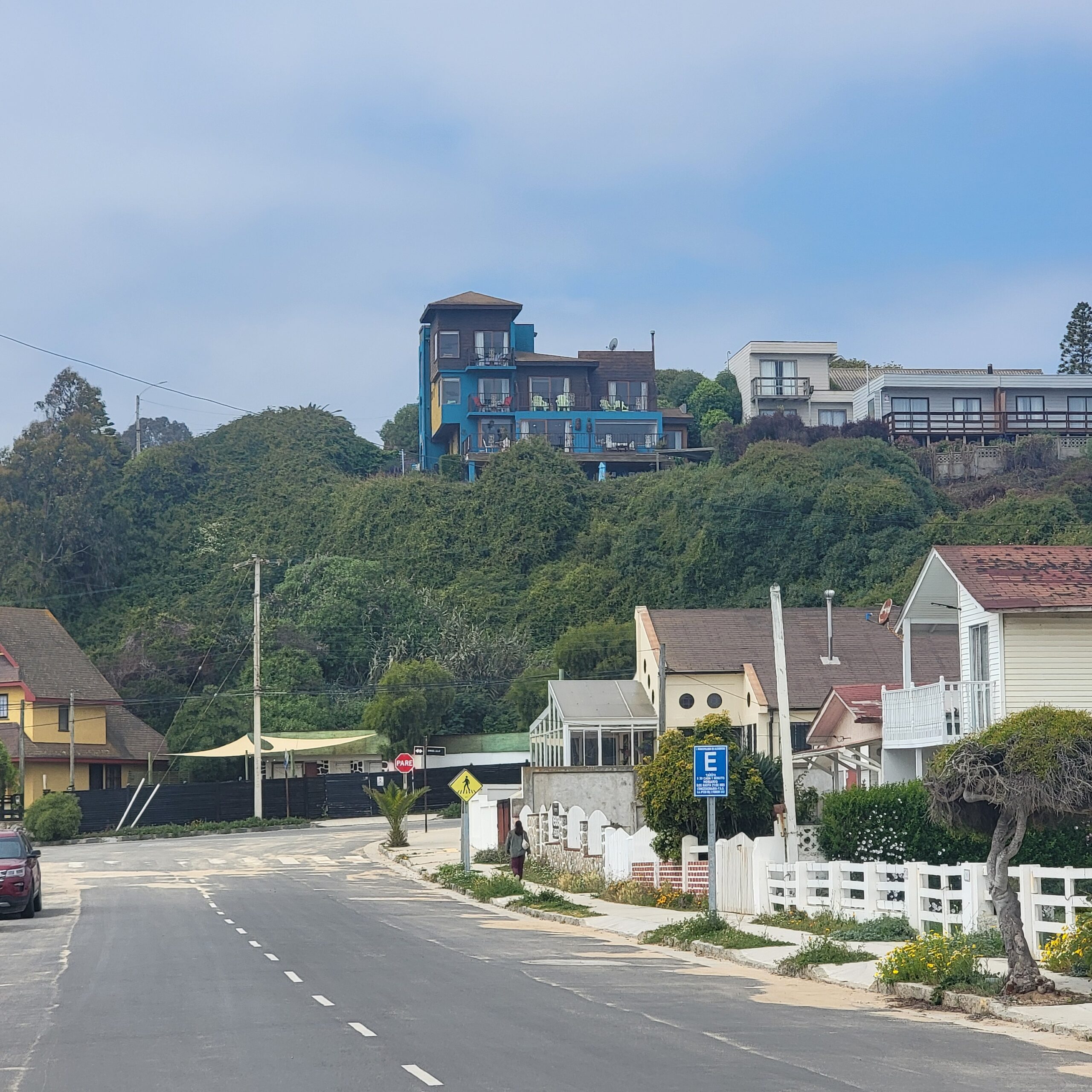
The next morning we drove out of the Colchagua Valley, into the Casablanca Valley to the small coastal town of Mirasol to meet Kelly and Beau. We had rooms at the blue house on the hillside above. The owner said she and hubs had built it when they retired because they loved staying at B&Bs and though it would be fun to have in retirement. She also recommended and booked a wine tasting for us at a very small botique winery in the valley.
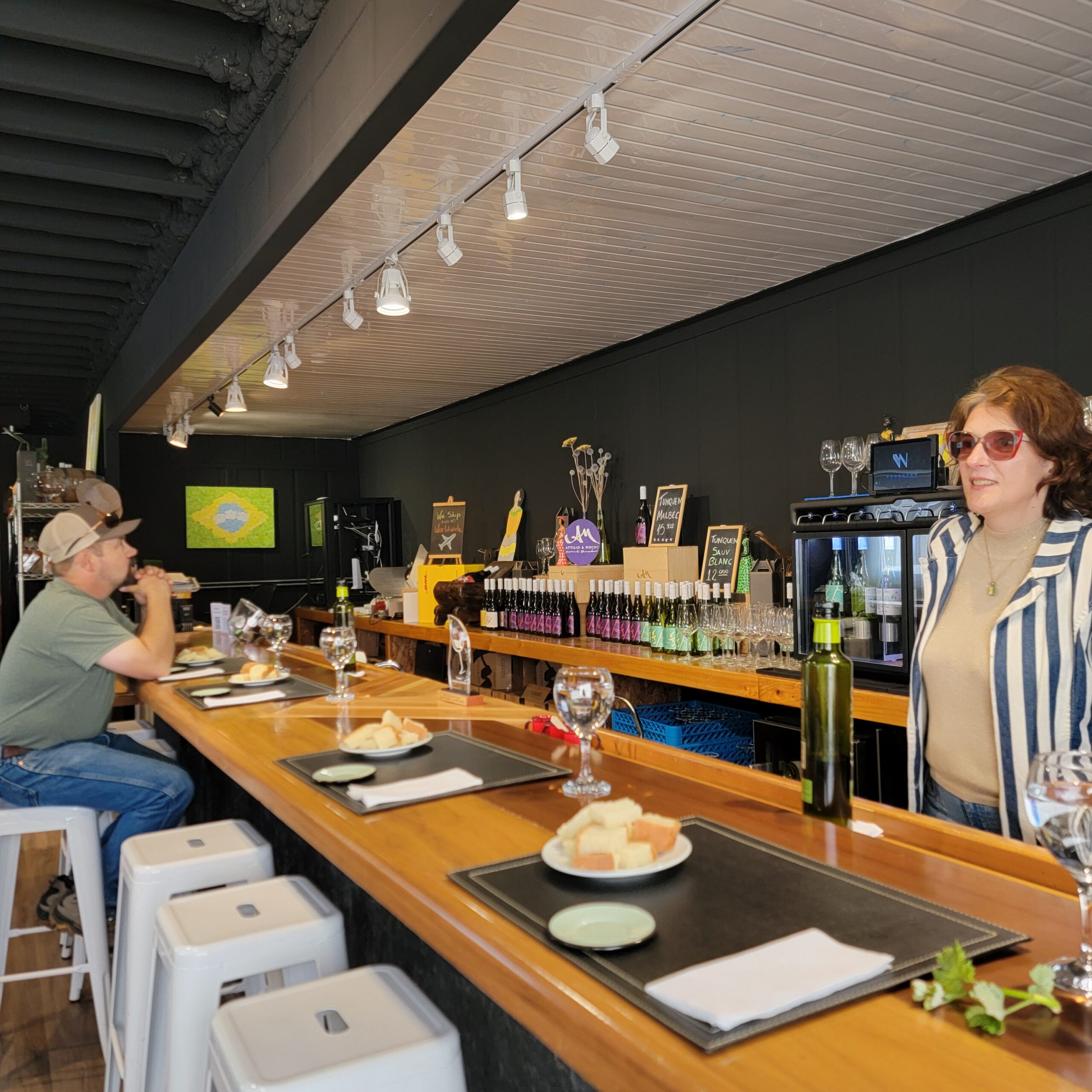
We went to the Attilio & Mochi winery, and spent two hours with the owner Angela Mochi. She and hubs Marcos Attilio had vacationed from Brazil and decided their life would be better spent making wine in the Casablanca Valley. They found a small piece of land and grow what they want to bottle, and blend what they want to blend. They’re all small batches, and many of the blends are one and done. We sampled several delicious wines and left with several bottles each. Unfortunately, we learned that Chilean wines cannot be exported from small wineries like this to Washington State (or Oregon or Idaho), so we couldn’t ship any home.
The next morning we headed for Valparaiso to drop our cars and get aboard our boat. Let’s just say the beautiful Chilean countryside has much more to offer than the coastal big cities.
